A built-in pause for engineered T cells
A short protein motif recruits a natural shedding mechanism to regulate CAR signaling and preserve cell function in preclinical studies.
Read the article →How protective responses develop, recognize threats and remain controlled.

The immune system detects infection and tissue damage while maintaining control over potentially harmful responses. Immunologists study the cells, receptors and signals involved in that balance. A response that helps eliminate a pathogen can also injure healthy tissue if its timing, location or intensity is poorly regulated. Protection and inflammation therefore need to be studied together.
Stanford’s Microbiology and Immunology researchers investigate immune-cell development, inflammation, mucosal interactions, adaptive immunity and responses to infection and vaccines. They use human studies and animal models. These approaches answer different questions: a model allows controlled experiments, while human samples capture biological variation and exposures that a laboratory system may miss.
Engineered T cells illustrate how basic questions about recognition can become a therapeutic strategy. A chimeric antigen receptor can redirect T cells toward a chosen molecular target. The Stanford GD2-CAR T study investigated this approach in diffuse midline glioma. Its early clinical responses came alongside inflammatory and neurological effects that required intensive monitoring.
Immune-cell abundance, molecular state and behavior each provide part of the picture. A larger population does not necessarily mean stronger protection, and a signal of activation does not prove useful target killing. Researchers combine measurements with functional tests and appropriate controls to distinguish response from benefit. Clinical studies must additionally establish tolerability, dose and outcomes in the population being treated.
An immune response must recognize a target while operating in a tissue containing many other signals. Receptor activity, target abundance, cell state, and local conditions can all matter. Measuring recognition is therefore only one step toward explaining effective protection or antitumor activity. Functional comparisons need to ask what the immune cells do after they encounter a target.
A change in an activation marker may help establish that cells responded to an intervention. To demonstrate benefit, researchers need measurements appropriate to the purpose of that response, such as pathogen control or target-cell killing. In clinical research, outcomes also depend on adverse effects and durability. These distinctions help explain why basic immunology and translational studies use different experimental designs.
These studies connect to the field. Their specific systems and methods define what can be concluded.
A short protein motif recruits a natural shedding mechanism to regulate CAR signaling and preserve cell function in preclinical studies.
Read the article →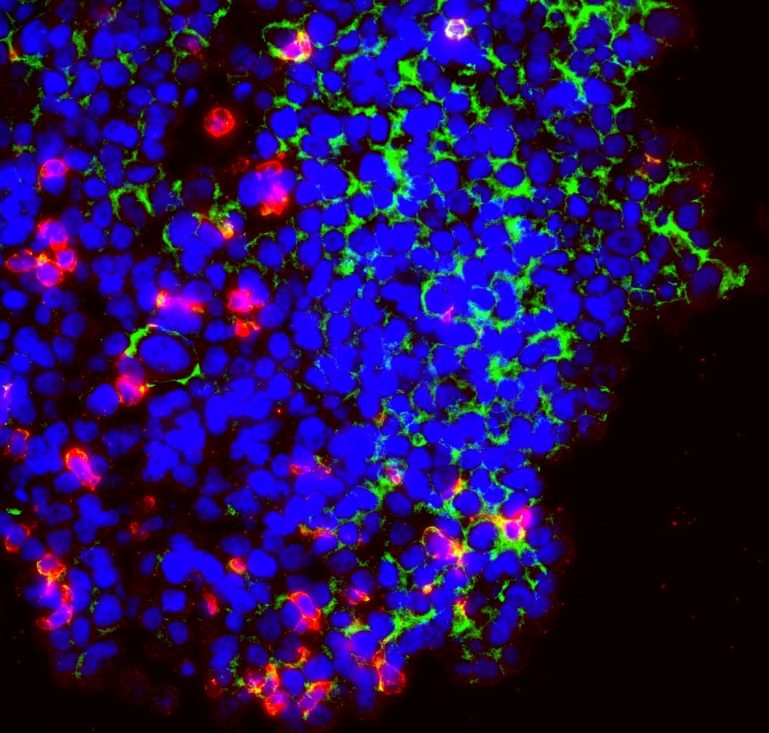
A Stanford team used genetic screens to equip cancer-killing cells with receptors that follow metabolic signals into tumors.
Read the article →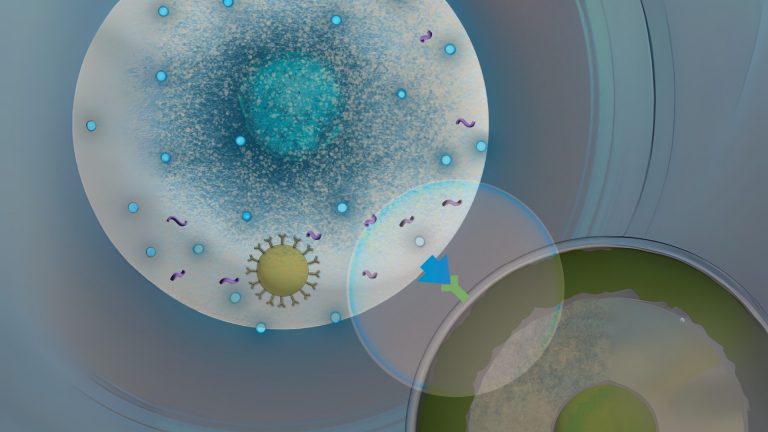
Targeted mRNA nanoparticles and PET imaging connect immune-cell engineering with a way to measure delivery in living mice.
Read the article →